

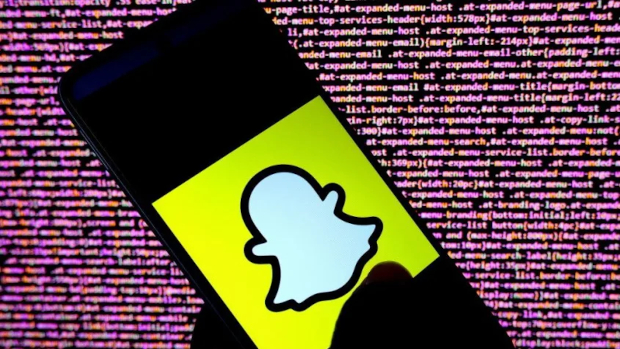
Snap, the company behind Snapchat, saw its revenue rise by 12% in the first quarter to $1.53 billion, mainly thanks to stable advertising income. The number of daily active users also grew again, to $483 million – an increase of $9 million compared with the previous quarter.
Even so, the stock market reaction was negative: the share price fell by around 6% to 7% in after-hours trading. Investors are worried about slowing growth in North America and the impact of geopolitical tensions in the Middle East on advertising spend. Snap estimates that the conflict there cost it $20-25 million in advertising revenue in March alone.
Snap also terminated a previously announced $400 million partnership with AI start-up Perplexity. That deal was meant to integrate AI-generated answers into Snapchat, but both parties decided “by mutual agreement” to call it off.

Bottom line, the company booked a loss of $89 million, compared with $140 million a year earlier.
Although user numbers grew worldwide, North America lagged behind. The number of daily users in that region fell, revenue growth there slowed to just 2%, and the average revenue per user came in lower than expected.
Snap is trying to reduce its dependence on advertising through subscriptions such as Snapchat+, which now has more than 25 million subscribers. The company is also ramping up its focus on AI-driven advertising tools: almost 70% of ad spend now uses at least one of Snap’s AI automation features.
Snapchat is also launching a striking new advertising feature: users will soon be able to ‘talk’ to ads via a built-in AI chat. Instead of just viewing a sponsored Snap, you will be able to ask questions, get advice or receive recommendations from a digital assistant on behalf of the brand.
According to Snapchat, this fits with how people are already using the app. The company says many users have grown accustomed to chatting with AI, including via the platform’s own chatbot. That is why Snapchat wants to make ads more interactive and make them feel more like a conversation than a traditional advertising message.
For advertisers, this could be attractive. Snapchat says existing Sponsored Snaps are already driving more purchases and lower cost per action. With this new format, brands hope to build even more personal contact with users, right where they are already chatting with friends.
Emerce




 Ltd
Ltd