


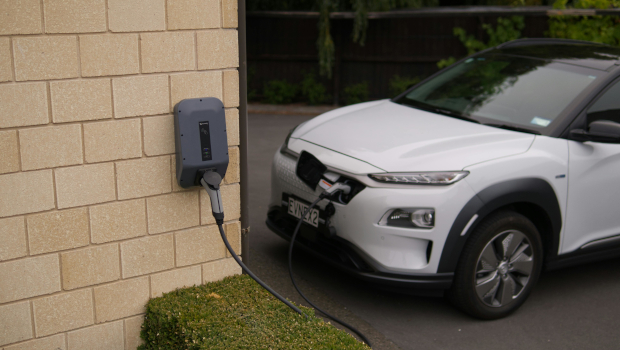
Used electric vehicle in Ireland have returned to growth, with values rising faster than petrol and diesel cars as demand for new and second-hand EVs strengthens.
The latest DoneDeal Cars Price Index found that used EV values rose 2.0% year on year in the first half of 2026 and 0.6% quarter on quarter. That compared with annual growth of 1.5% for hybrids and 1.1% for the wider internal combustion engine market.
The increase marks a reversal for a market that had experienced three years of falling values. The decline began in 2023, when reductions in new-car prices and grants coincided with an oversupply of used electric cars.

The report said the decline continued through 2024 before flattening during 2025, with the first half of 2026 marking the turning point.
Despite the recovery, used EVs remain considerably cheaper than equivalent diesel and hybrid cars. Controlling for age, mileage and make, electric cars were 10.7% cheaper than comparable diesels and 13.3% cheaper than hybrids.
That represents a narrowing of the discounts recorded in the second half of 2025, suggesting the gap in used-car values has stopped widening.
The figures also show how far EV prices have fallen relative to the wider market. Used electric values are up just 7.1% since January 2020, compared with 42.4% for hybrids and 92% for the main ICE index.
Demand for electric cars has also increased sharply.
A total of 9,665 new electric cars were registered in Ireland in July, ahead of hybrids at 6,295, petrol at 5,344, plug-in hybrids at 4,451 and diesel at 3,261.
On a rolling 12-month basis, electric cars accounted for 25.3% of the new-car market at the end of July, narrowly ahead of hybrids at 25.2%. The report said EVs passed petrol in April and hybrid in July.
Including August registrations to date, the rolling electric share had reached 26.8%.
Search activity on DoneDeal Cars has followed the same direction. Searches using an electric fuel-type filter were 114.5% higher than their August 2025 level in April, 96.1% higher in June and 66.6% higher in August.
Diesel remained the most searched fuel category but continued to lose share.
The wider used-car market has been more subdued. The main ICE index rose 1.1% over 12 months but fell 1.6% over the quarter, compared with annual growth of 3.5% in the previous index.
There was a significant difference between cheaper and more expensive cars. Vehicles with a median price of about €5,800 rose 6.4% over the year, while cars with a median price of about €17,950 fell 2%.
The report attributed the stronger performance of cheaper cars to continued shortages of supply at the lower end of the market.
New-car supply has continued to increase, with 85,165 registrations in the first half of 2026, up 4.2% on the same period in 2025. Full-year registrations reached 124,955 in 2025, 3% ahead of 2024.
The report also identified a major change in where Ireland sources used cars.
The UK accounted for 95% of used imports in 2019, when more than 108,000 vehicles arrived from Britain. That share had fallen to 18% in 2025 and 14% in the first half of 2026.
Japan has increasingly filled the gap. Japanese imports reached 33,065 vehicles in the first half of 2026, representing 55% of all used imports.
A large proportion of those Japanese imports are European cars originally sold into the Japanese market. European marques accounted for 59% of Japanese-sourced imports in the first half of 2026, with Volkswagen the largest individual make.
The changing source of imports has also had implications for vehicle emissions.
The report found that the UK cars still being imported have become significantly cleaner, with average emissions falling from 91g to 65g of CO₂ per kilometre. Electric and plug-in hybrid cars accounted for 63% of UK imports in the period examined.
Japanese imports, however, remain dominated by petrol and hybrid cars, which together accounted for 84% of arrivals. Battery-electric cars represented just 0.5%.
As a result, the average emissions of imported cars changed very little, falling from 115g of CO₂ per kilometre in 2023 to 114g in the first half of 2026.
The DoneDeal Cars Price Index was based on an analysis by economist Dr Tom Gillespie of more than five million vehicle listings from 2011 to 2026. The analysis used hedonic regression to account for factors including mileage, age and other vehicle characteristics.
DoneDeal Cars said the findings indicated that a healthier second-hand electric market was now emerging after the substantial falls in EV values.
“Prices had to fall this far before a healthy second-hand electric market could take shape, and it has now taken shape,” Paddy Comyn, head of automotive content and communications at DoneDeal Cars, said.
He added: “Buyers who were priced out in 2022 have real choice at accessible values, and they are buying a car that is holding its value rather than losing it. That combination is what turns early adoption into mainstream adoption.”
Patryk Goron



 Ltd
Ltd