


| Differing users, common benefits | |
| “If we can isolate the applications required and deliver them efficiently to a thin client type device we provide all parties with benefits in terms of both improved service and decreased delivery costs” | 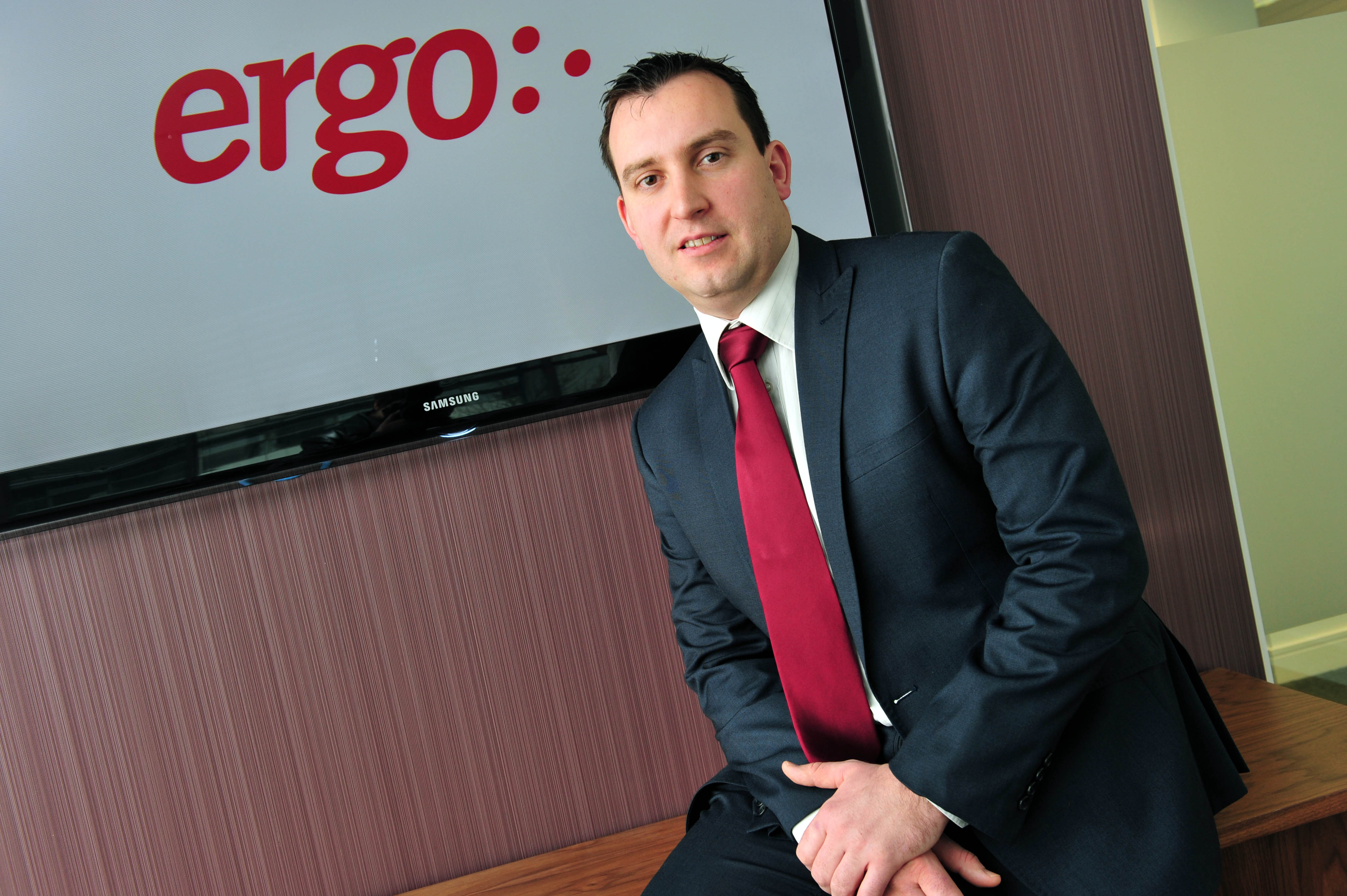 Ergo : George Dowling, managed services solution manager |
|
The true value of desktop and application virtualisation technologies is that they enable cost effective and efficient delivery of applications that users require. This is as true for the deskbound call centre agent as it is for the completely mobile field sales representative.A call centre agent will require access to a CRM system, e-mail and perhaps a web browser. Therefore is there a need here for a full desktop with local operating system, compute resources, fast network and high support overhead? Likewise, a field service agent does not want to be carrying round a large laptop when a tablet may suffice. All they need is to access is the applications like CRM, as they will need to be aware of the most recent customer interactions. Also a system that can be used to place and track orders would be beneficial. 
If we can isolate the applications required and deliver them efficiently to a thin client type device we provide all parties with benefits in terms of both improved service and decreased delivery costs. Desktop and application virtualisation enable different types of users to get the applications and desktop experience they require, when and where they need them, enabling them to work more efficiently than they have done previously. The benefits are realised by the end user, the company (through productivity gains) and the IT department through efficient centralised administration. Ergo can assist you in determining how a virtualised environment could benefit your organisation and your users. We can work with you to deploy the most strategically efficient and effective migration for your organisation. |
|
| Decoupling the user | |
| “Vendors provide mature offerings that can scale from a handful of users to thousands. No longer do users have to be in a specific place to work effectively” | 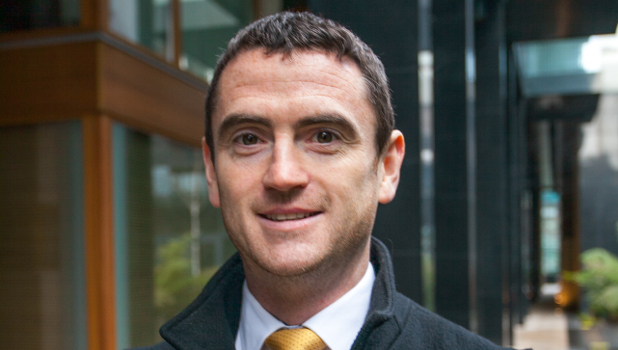 Logicalis Ireland : Pat Brennan, professional services manager |
|
In the modern workplace, users could be accessing their applications anywhere, any time and from any device. While this presents challenges for organisations from a security perspective, it provides an opportunity for users to work more productively, by allowing documents, email and other resources they need, to follow them as they access applications from many different devices. While the IT Industry has grappled with these challenges, solutions now exist that are secure, flexible and well-proven in an enterprise setting. Virtual desktop technology, commonly known as Virtual Desktop Infrastructure (VDI), has allowed these challenges to be met. Vendors such as VMware, Citrix and Microsoft provide mature offerings that can scale from a handful of users to thousands of users. No longer do users have to be in a specific place to work effectively. What is called Workplace Mobility has become an enabler for organisations to allow employees to roam widely, while still remaining connected to the workplace. This enables a new working model that supports business agility, flexibility and responsiveness. With VDI solutions, the Desktop is stored centrally at the company’s Data Centre, typically on the company’s most resilient storage infrastructure. Now that desktops live in the Data Centre they can also be protected and managed centrally ensuring critical business data is not lost. Centralising storage of desktop images allows access over different types of connections, be it from a laptop, iPad, Android Phone or home PC. It also allows access to be designed in a secure manner both for internal and external users. Operational costs are driven down by VDI solutions and ultimately this is one of the key business drivers for companies to consider adoption of this technology. |
|



 Ltd
Ltd