


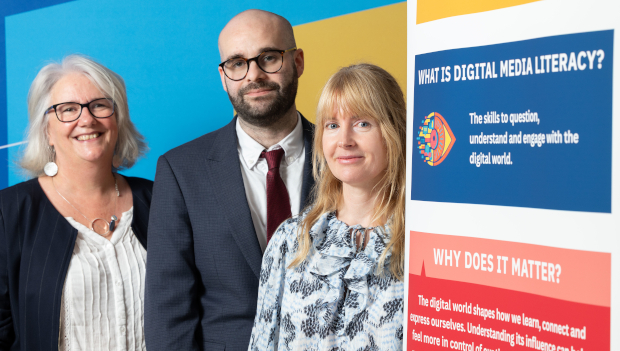
Four in five respondents to a Munster Technological University (MTU) survey reported seeing deliberately untrue or misleading content on apps or websites in the last 12 months.
The research also found that 76% had encountered hate speech or harassment online during the same period, while 97% had never participated in media literacy training.
Developed by a cross-disciplinary team of MTU academics, library staff and students, with input from experts at other universities, a new Digital Media Literacy Open Educational Resource helps learners pause, question and look beyond the content placed in front of them. Its open and adaptable format allows it to support learners beyond MTU, with a national rollout planned.
The survey highlighted widespread concern about the online information environment. Almost nine in ten respondents (88.7%) were fairly or very concerned about the spread of disinformation, while 84.3% expressed concern about the influence of social media companies on the content they see.
Meanwhile, 61% said they focus on news they happen to see on their social media feeds. Immigration, health and elections were the topics respondents identified as being of greatest interest in relation to the spread of misinformation.
Dr Catherine Palmer, mathematics lecturer at MTU and project team lead, said: “Misleading information is part of the everyday online experience for many people. Four in five respondents reported encountering it in the last year, yet very few have had any media literacy training. How people get their news has also changed. For many, it is something they come across while scrolling, with social media platforms and their algorithms playing a significant role in deciding what reaches them. We need to give people the skills to ask who created that information, what evidence supports it and why it is appearing in their feed.
“This resource is designed to help learners build those habits and feel more confident assessing what they see. With almost nine in 10 respondents concerned about disinformation, there is a clear appetite for support.”
The project received Strategic Alignment of Teaching and Learning Enhancement (SATLE) funding and has support from the Higher Education Authority and Digital Media Literacy Ireland.
TechCentral Reporters



 Ltd
Ltd