



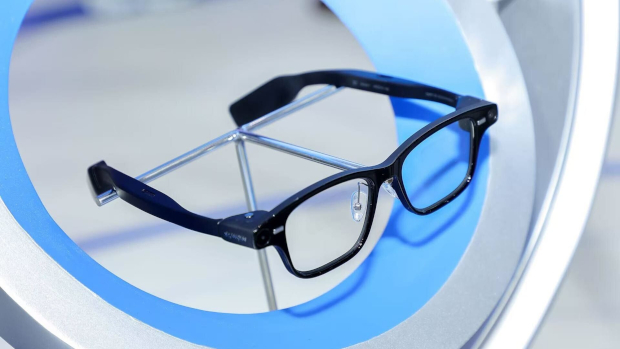
The red-green coalition in Hamburg and Die Linke want to keep glasses with built-in cameras – so‑called smart glasses – out of certain parts of public life. The aim is above all to better protect people’s privacy from surreptitious photo and video recordings.
The proposed ban would apply in all municipal swimming pools in Hamburg, including swimming and relaxation areas, sunbathing lawns, changing rooms, showers, sanitary facilities and saunas.
The SPD and the Greens also want to extend the ban to buses and trains in public transport. According to them, passengers must be able to trust that they are not being filmed without realising it.

According to the proponents, the problem with smart glasses is that they can hardly be distinguished from normal glasses. With a smartphone it is usually obvious when someone is filming; with glasses that have a built‑in camera, it is much harder to see.
One example given is a Hamburg woman who was secretly filmed with smart glasses during a conversation by the Alster. The footage later appeared in a TikTok video that was viewed thousands of times.
The Greens and SPD also want rules for smart glasses to be introduced at national level. Facial recognition by private individuals in public spaces is seen as particularly problematic. According to the initiators, a clear line must be drawn now, before such technologies become a normal part of everyday life.
Norway is examining a possible ban on smart glasses and other wearable devices with built‑in cameras. The government is concerned about the impact of this technology on privacy.
Digitalisation Minister Karianne Tung says there is a clear trend in which artificial intelligence is being combined with cameras and microphones in glasses, headphones, hats and other everyday objects. Norway wants to prevent such devices from being used to keep other people under covert surveillance in public places.
In doing so, the government is looking, among other things, at the use of facial recognition in public spaces. According to Tung, it must be ensured that people are not filmed or identified without their knowledge.
The debate centres, among other things, on smart glasses from companies such as Meta and Snap. These devices are equipped with cameras, are connected to the internet and can increasingly be given more features in the field of artificial intelligence. Privacy organisations warn that the technology could make it easier to record people without their noticing.
Some critics now refer to the devices as ‘pervert glasses’, a term that alludes to the possibility of secretly filming others. In other countries, too, a debate has arisen about the use of such glasses.
Emerce



 Ltd
Ltd