


In association with BeSecureOnline
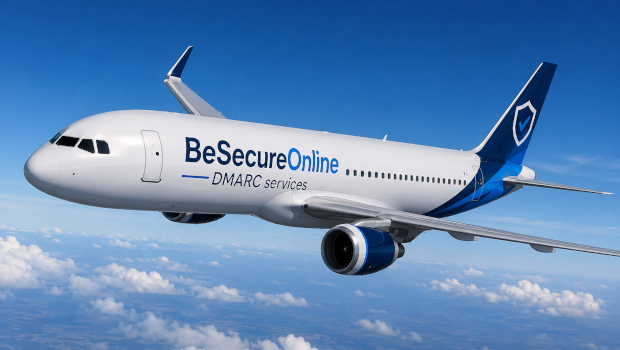
E-mail is entering a new era. For decades, e-mail has been largely open, inexpensive, and accessible to everyone. While this openness helped make email the world’s most important business communication platform, it is an environment where spam, phishing, spoofing, and cybercrime flourished. The future of e-mail, however, is beginning to resemble another industry that has mastered segmentation and premium services: the airline industry.
DMARC, e-mail security, secured e-mail gateway, behavioural analysis
Today’s e-mail ecosystem is like an airport, everything is changing all the time. Flying cheap is a horror show, business and first-class passengers enjoy the ride. That’s life. There are different levels of service, security, trust, and reliability. In the years ahead, business e-mail is likely to follow a similar path, with distinct ‘classes’ of e-mail that shape the level of trust recipients place in a message before they even open it.

Don’t just send e-mail, send it first class, test your domain safety today, upgrade.
Cheap flies coach
At the lowest level will be the ‘economy’ or ‘coach’ e-mail. This will consist of basic, low-cost e-mail services with minimal authentication and little investment in security. Messages from these domains will continue to face increasing scrutiny, higher spam filtering, and lower delivery rates. Economy passengers accept fewer privileges, and basic e-mail will receive fewer assurances of trust. It may still reach the inbox, but recipients and mail providers will handle it with caution.
Premium economy represents the next step. Organisations that use standardised authentication, maintain strong domain reputations, and follow accepted sending practices will enjoy improved deliverability and greater trust. This level provides better service, but it is still some distance from the highest standards expected by large enterprises.
Modern e-mail security is a competitive advantage
Business class e-mail is where modern security becomes a competitive advantage. Businesses investing in secure e-mail gateways, artificial intelligence-driven threat detection, domain monitoring, and comprehensive e-mail authentication will gain significantly better protection against phishing, impersonation, and malware. Standards such as SPF, DKIM, and DMARC will be fully implemented and actively monitored. AI systems will analyse message behaviour in real time, identifying anomalies that traditional filters may miss. Secure e-mail gateways will inspect attachments, links, and sender reputation before messages ever reach employees.
At the very top sits first-class e-mail. This is where trust becomes a premium service rather than simply a technical feature. Organisations operating at this level will combine fully enforced DMARC policies, BIMI branding, verified sender identities, AI-powered security platforms, continuous monitoring, zero-trust architectures, and advanced encryption. Every component works together to provide recipients with maximum confidence that an email genuinely comes from the organisation it claims to represent.
First-class e-mail will not simply be safer- it will be visibly different. Verified logos displayed through BIMI, strong domain authentication, excellent sender reputation, and advanced AI validation will signal legitimacy before a recipient even reads the subject line. Just as first-class airline passengers receive priority treatment throughout their journey, first-class e-mail will receive preferential handling by mailbox providers, security platforms, and recipient organisations.
E-mail cost, security, and branding will get more expensive
E-mail security is increasingly becoming a subscription-based service rather than a one-time technology purchase. Businesses will pay for continuous protection, AI analysis, threat intelligence, reputation management, authentication services, and compliance monitoring. Rather than viewing e-mail as a free utility, organisations will recognise secure business email as critical infrastructure worthy of ongoing investment.
Meanwhile, spam and malicious e-mail will increasingly be confined to the equivalent of coach travel. Poorly authenticated domains, free e-mail services, compromised servers, and low-quality senders will face stricter filtering, reduced deliverability, and growing distrust. The divide between trusted and untrusted e-mail will become more pronounced every year.
The airline analogy captures the future really well. Every e-mail will still travel across the same global network, just as every passenger flies through the same skies. But not every message will travel with the same level of trust, security, priority, or recognition. Those willing to invest in advanced authentication, AI protection, secure e-mail gateways, BIMI branding, and fully implemented DMARC will effectively be flying first class.
First class security is a flight away, check your domain now. Don’t just send e-mail, send it first class, test your domain safety today, upgrade.
In the coming decade, the distinction between economy and first-class e-mail will be clearer and more aggressively enforced, BIMI branding and full DMARC compliance representing real business and competitive advantage. Trust is measurable, security will be visible, and premium e-mail will no longer be a luxury – it will be the standard for doing business safely.




 Ltd
Ltd