


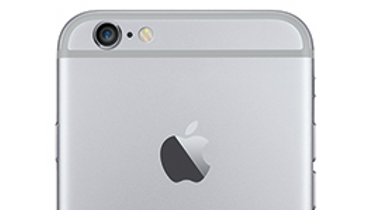
 Are you perturbed by the news that Apple has been granted a patent for a technology that would be used to disable iPhone cameras? I am. I find the idea that someone could purposely disable the camera function in my iPhone disturbing (I would have said ‘perturbing’ but no one ever says that). I find it even more disconcerting that Apple has even considered that it would be worthwhile to allow someone to disable the camera in my iPhone.
There are some who argue the patent is essentially harmless because its main purpose would be to stop people using their iPhones to film concerts, plays or films. And I have to confess that the thought of keeping Adele and other musicians happy by knocking iPhone cameras out with an infra red system is of some comfort to me – if only because then no one could ever try to inflict their short, bad quality videos of those live performances on me.
But the problem is that once the technology becomes available, even if for what are perceived to be benign purposes, it’s all but impossible to limit its usage to cultural events. So what other things could this technology be used for?
Imagine, for example, a dictatorial regime using it against anti-government demonstrations. That would be a very simple way to ensure there would be no more iPhone footage of policemen or soldiers beating up or killing protestors. The same could apply to criminal organisations by giving them the opportunity to impose a blanket ban on clandestine photography or video recording in their locations.
Legitimate organisations might deploy the technology in good faith as a means to plug security holes in their organisation but it could also hinder the potential for whistleblowers to take pictures of company documents that support their allegations.
There are so many instances of smartphone footage being disseminated to YouTube, Facebook, twitter and other social media platforms that show images previously unobtainable by traditional journalist sources. Would we really be comfortable with the prospect of those images being blanked overnight?
From a commercial point of view, would it make sense for a company like Apple to sell a product with the built-in ability for an external source to hobble one of its main features? What guarantees could it give that the person disabling the camera was doing so for a good reason?
Concerning
It sounds completely nonsensical. The concern is that by being granted the patent, Apple has pretty much confirmed that it is possible to disable a smartphone camera. It’s worth noting, however, that the Apple patent envisions using a smartphone camera designed to detect images based on visible light. Which suggests that the only way to make it possible to disable a smartphone camera is to install a camera that can be disabled. As long as Apple and other smartphone manufacturers decline to put those cameras in their products, it won’t be possible for anyone, good or bad, to disable them.
Some have suggested Apple’s motive in seeking and being granted the relevant patent is to block anyone else, good or bad, from producing this type of technology. That’s quite possible. If so then, on balance, it’s probably a good thing. If Apple has pursued the patent to disable the potential for the technology, I’m slightly less perturbed than I was at first. Even if that means having to watch terrible concert footage and pretend to be impressed by it. In any case, however much people use their cameras to take video or pictures of their musical heroes in concert, they can still be disabled by these five words: “You had to be there.”





Subscribers 0
Fans 0
Followers 0
Followers