


 Are you a Harbinger of Failure? You may not know it, but you could be. Even if you’re not, someone you know, someone you’re related to, work alongside or live next door to, could well be.
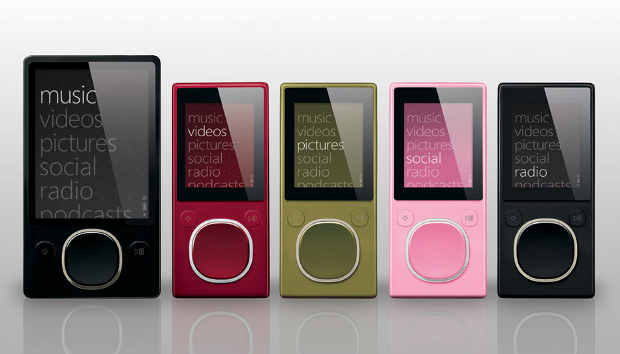
Take a look at some of your possessions. Do you own or did you own a Zune? Perhaps you had a Sega Dreamcast back in the day? In more recent times, you might have purchased Google Glass or an Amazon Fire phone. In fact, chances are that if you bought one of those things, you may have bought another of them. If so, you could well be part of an elite group. Drum roll. Yes, you could be a fully fledged Harbinger of Failure.
Just because your new label includes the word ‘failure’ doesn’t mean that no one wants to know what you’re thinking. In fact, quite a lot of people are becoming increasingly interested in what you buy and what you don’t buy, if only to give them an early warning of which of their products will flop and which will succeed.
Eric Anderson, Song Lin, Duncan Simester, and Catherine Tucker have been researching the phenomenon of customers who buy new products that fail. They found that “the tendency to buy hits or flops is systematic. If a customer tends to buy failures, then the next new product they purchase is more likely to be a failure”. They added that “customers who systematically buy products that fail are also customers who are more likely to buy niche products that few other customers purchase”.
Harbingers are “customers whose decision to adopt a new product is a signal that the product will fail. The signal is even stronger if these customers not only adopt the products, but they also come back and make repeated purchases”.
Foreboding
The research suggests that manufacturers and suppliers should bear in mind that not all early adopters of new products are the same. “For some customers, adoption of a new product is an indication that the product is more likely to succeed. However, for Harbingers, adoption is an indication that the product will fail.” the report states. “When firms use early adoption to make product line decisions or as input to the product improvement process, it is important to distinguish between these different types of customers.”
In other words, Harbingers can perform a socially and economically useful function by helping businesses to identify and kill off failing products much earlier in the cycle. And if you’re a member of the Harbingers, you’re part of a pretty exclusive club. Research suggests only 13% of buyers are Harbingers.
Some unkind soul commented on a thread of one of the stories about the research that we’ve always had Harbingers, it’s just that in the old days we used to call them losers. I can see how that might not work quite as well if suppliers decide to put out a call to Harbingers in an attempt to assemble a crack early warning team that predicts what will sell and what won’t. After all, which gang would you rather join, The Harbingers of Failure or The Losers? Admittedly, on a sliding scale of Harbingers, Failure loses out to Doom in the cool stakes but it’s still better than plain old Loser.
In any case, there’s something even worse than being a Harbinger of Failure or a Loser: You could be the person whose product they’re buying.


Subscribers 0
Fans 0
Followers 0
Followers