


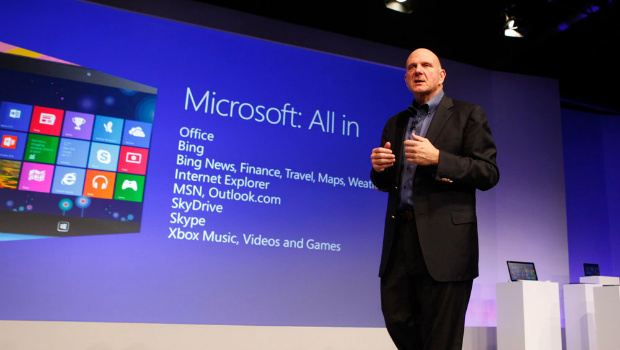
Ballmer may have also been smarting from decisions Nadella has made, such as the 14% staff reduction last month that focused largely on workers who came aboard through Microsoft’s $7.2 billion (€5.4 billion) acquisition of Nokia’s mobile phone business. That deal was driven vigorously by Ballmer, who reportedly struggled to gain buy-in on it from Microsoft’s board.
Still, it is unlikely that Ballmer “was putting up that much resistance at this point,” Johnson said. “I think he was trying to be helpful and give Nadella information. I doubt that Ballmer was the type of person to be an obstructionist.”
Microsoft board meetings may not have been especially fun for Ballmer anyway, according to Rob Enderle, principal analyst at Enderle Group. “Once you step down as CEO like Steve did, being on the board and being reminded that you had to step down is like coming to a party after you’ve been asked to leave it.”
Some large institutional investors may be glad to see Ballmer leave the party for good, according to Wes Miller, research analyst with Directions on Microsoft. These players “would like to move beyond the era of Steve Ballmer,” he said. “They’ll view this as a checkpoint for the new Microsoft.”
Some level of orchestration undoubtedly went on behind the scenes given that Tuesday’s announcement came just one day after Ballmer’s raucous Clippers rally, which seemingly marked a new chapter in his career as head of the sports organisation.
But while Ballmer may have left Microsoft’s board, he’s not going away completely and he made sure the company knows it, Miller said. The fact that Ballmer highlighted his major financial position in Microsoft is important for a couple of reasons. For one thing, “it shows he still believes in the company and wants it to grow,” he said. But Ballmer was also sending the message that he still can influence the company, and wants to make sure it goes in the right direction, according to Miller.
Chris Kanaracus, IDG News Service





Subscribers 0
Fans 0
Followers 0
Followers