


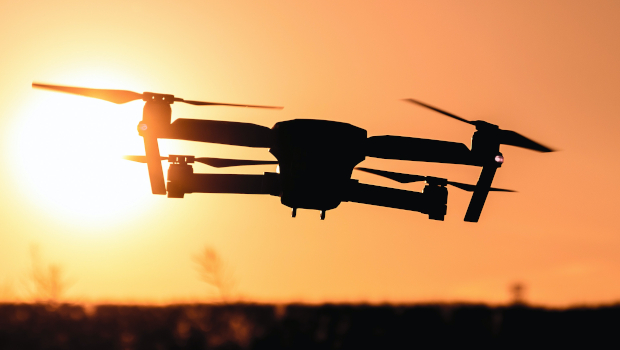
Ukrainian drone pilots use AI to bypass Russian signal jamming
The drone war in Ukraine has made significant progress since the start of the conflict. Both sides deploy millions of drones each year, resulting in the widespread use of jamming equipment that disrupts the connection between pilots and their unmanned aircraft. In these conditions, drones often go down before they reach their target.
To get around this limitation, Ukrainian drone pilots are increasingly relying on AI-assisted targeting systems. With this technology, drones can analyse footage captured by their onboard cameras and independently navigate to targets, even when communication with the pilot drops out. That’s clear from the experience of a pilot who managed to hit a Russian tank from a distance of 20 kilometres.
The pilot pointed out that the strike would have been impossible without AI assistance, stressing the system’s ability to compensate for signal interference and guide the drone accurately. The AI system also has a memory bank trained to recognise different objects, allowing it to adjust its course based on contextual information.

Although the technology offers a clear tactical advantage, it also raises ethical questions due to the growing autonomy of weapons systems. Despite these concerns, there are still hardly any international rules governing the use of AI in warfare. Ukraine maintains that human oversight remains essential, stating that the final decision to strike must always lie with a human operator, not with an algorithm.
Industry experts acknowledge that while the technology is promising, its performance can vary depending on conditions on the battlefield and often requires fine-tuning. Nevertheless, the integration of AI into drone warfare is rapidly changing the conflict landscape in Ukraine and beyond.
Business AM


Subscribers 0
Fans 0
Followers 0
Followers