


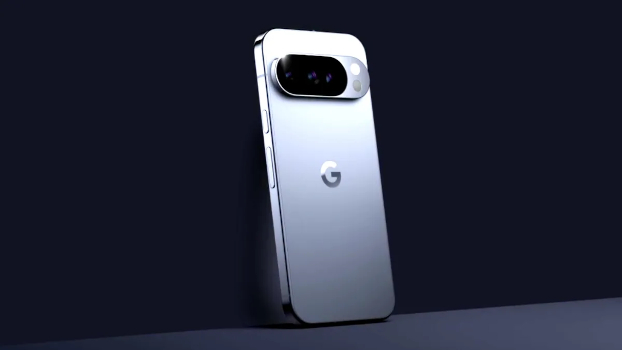
As AI comes into its own so too does the Google Pixel. Famous for having the most vanilla of Android implementations coupled with a good camera and a lower price point than the iPhone or Galaxy S series the Pixel has gradually turned from a developer-friendly test bed to a platform for the latest features Google wants to push into mainstream usage. With the Pixel 10 that means AI and lots of it.
First let’s look at the packaging. This time around there’s not much to differentiate the Pixel 10 from its previous generation. The form factor is largely the same at 152×72.8.6mm with a 6.3″ OLED display, the latter getting a minor upgrade in the form of 300 nits extra peak brightness (3000 nits versus the Pixel 9’s 2,700). However, it does feel heavier in the hand, adding 6g on last year to come in at 204g.
Other features, it’s fair to say, are business as usual. The fingerprint sensor is unchanged and face unlock works exactly as before. Memory also remains unchanged at a healthy 12GB RAM with a choice of 128GB and 256GB.

On the audio front the top speaker has gotten an upgrade which you may or may not notice.
The battery also gets a bump up to 30 hours (depending on your usage) but the main feature to crow about is the addition of magnetic charging. Yes, you won’t need to worry about precisely lining up your USB-C cable ever again – unless you really want to. There is a downside to the added convenience and that is the charging time. If you’re in a hurry a fast traditional charge with a 30W charger will beat out the 15W the Pixelsnap Magnetic Wireless Charger (based on the Qi2 open standard instead of MagSafe).
With the basics out of the way let’s look at the real differentiators for the Pixel 10. The first of two major upgrades comes in the camera stack. Last year’s selfie camera is unchanged, however this year we are treated to three lenses in the main camera module: a 48MP wide angle, 13MP ultrawide angle and a 10.8MP telephoto lens with 20x Super Res Zoom and an improved autofocus guides by multi-zone laser detect autofocus (LDAF). Pixel 10’s ultrawide is a significant downgrade to accommodate the telephoto lens but video capture is unchanged, so you can still shoot in 4K at up to 60fps.
The second upgrade is Tensor G5 processor is really where the Pixel 10 comes into its own because they provide the compute power to run the host of OS upgrades that come with Android 16.
From here out any review of the Pixel 10 becomes a rating on Android 16 with its associated strengths and weaknesses – all of which are temporary thanks for a guaranteed seven years of updates.
Camera Coach comes to the fore as a useful addition, where AI is used to teach basic techniques like framing and composition – simple things you need not worry about as you play with filters. If you do need to do some editing you can just ask Gemini to do it for you by typing a prompt in the ‘help me edit’ box.
Moving deeper into AI Android 16 has Magic Cue, a kind of personal assistant that uses your contacts, e-mail, calendar, texts and notes as foundational data used to make suggestions about what to do based on the weather, present notes, see reminders and create a daily hub of information designed to set you up for the day. There’s also Journal, an app for noting down through, feelings, sounds and pictures you might not otherwise like to share with Big Tech but if sharing everything about you in the name of better restaurant recommendations is your thing, have at it.
Has Google done enough to muscle its way into the top tier of smartphone brands? Not quite, but the gap narrows with each generation. That doesn’t take away from the Pixel 10 being a damn fine mid-range phone.
Niall Kitson



Subscribers 0
Fans 0
Followers 0
Followers