


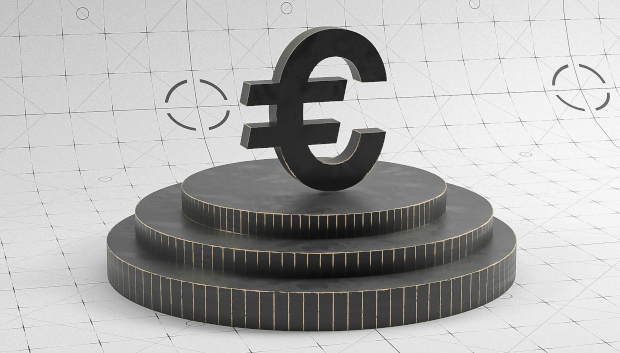
European lawmakers reach breakthrough on ‘digital euro’
After months of deadlock, European Union lawmakers have moved forward with the approval process for a digital euro. A draft text seen by Euronews showed that the parliamentary rapporteurs responsible for the legislation have agreed on the framework. This crucial breakthrough brings the project closer to becoming reality.
The digital euro, conceived as an electronic form of cash issued by the European Central Bank, is intended to complement existing banknotes and payment services provided by commercial banks. Rising geopolitical tensions between the EU and the United States have fuelled the debate about Europe’s dependence on US payment giants such as Visa and Mastercard, underlining the importance of this initiative.
Initially, rapporteur Fernando Navarrete proposed limiting the functionality of the digital euro to offline use only. That position caused negotiations to stall for months, putting the entire legislative process at risk. Navarrete has recently withdrawn his position, however, paving the way for a single system capable of processing both online and offline transactions.

The European Council, representing the EU member states, has already set out its position on the digital euro. The European Parliament is the only institution that still has to finalise the legislation. Lawmakers aim to have the law approved by the end of 2026, in line with the objectives set by EU leaders at the March meeting of the European Council.
Despite the substantial progress, two major issues remain: ‘holding limits’ and ‘compensation’. Holding limits determine the maximum amount users can keep in a digital euro wallet, while compensation mechanisms concern the fee models for commercial banks that provide digital euro services.
Despite these outstanding points, the text is expected to be put to a vote in the Parliament’s Economic Committee before the summer recess, according to sources familiar with the matter.
Business AM


Subscribers 0
Fans 0
Followers 0
Followers