


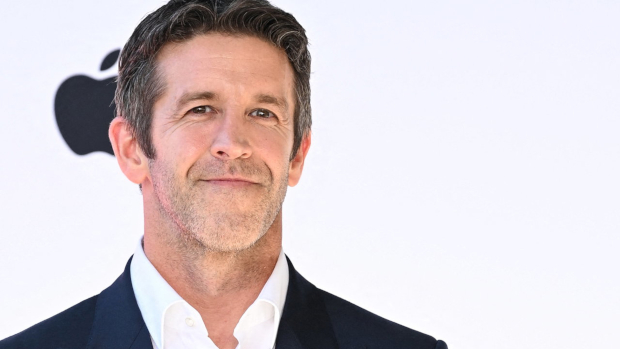
In a recent interview with Time, John Ternus, Apple’s new CEO, described the scarcity of memory chips as a genuine crisis. Ternus, who took over on 1 September, said the company is exploring every possible avenue to secure components, following reports that Apple is evaluating memory hardware produced in China.
This potential shift in procurement drew criticism from US government officials and a group of senators from both parties. They warned that dependence on Chinese suppliers could jeopardise national security.
Ternus, who features in the magazine’s Best Inventions of 2026 edition, also spoke about the iPhone Duo. This foldable device, with prices starting at 2,339 euros, features a complex hinge made up of more than 100 precision components, protected by a special polymer.

Ternus has been involved with foldable technology for some time. Back in 2011, he was already a co-applicant on a patent for such devices. He noted that the first attempts by competitors fell short in terms of quality. Despite all the hype, delivery of the iPhone Duo has been postponed until 2027 because of exceptionally strong demand.
On artificial intelligence, Ternus discussed the revamped Siri, into which Google’s Gemini technology has been integrated. He rejected claims that this collaboration points to a failure to sustain internal development, arguing that Apple does not have to produce every single component itself in order to meet its standards. Instead, the company focuses its in-house efforts on the elements that deliver a competitive advantage.
Greg Joswiak, senior vice president of worldwide marketing, also said that Apple develops its AI for a broad audience, not for the most fanatical tech enthusiasts in Silicon Valley. He added that OpenAI’s hardware ambitions do not concern the company.
On the political front, Ternus maintains contacts with representatives of the Trump administration in order to preserve a cooperative relationship. While Ternus manages internal and domestic strategies, former CEO and current executive chair Tim Cook continues to oversee the company’s international diplomatic efforts.
Ternus also expressed confidence in the staying power of hardware and argued that physical devices will remain essential because consumers value tangible products.
Business AM

 Ltd






