


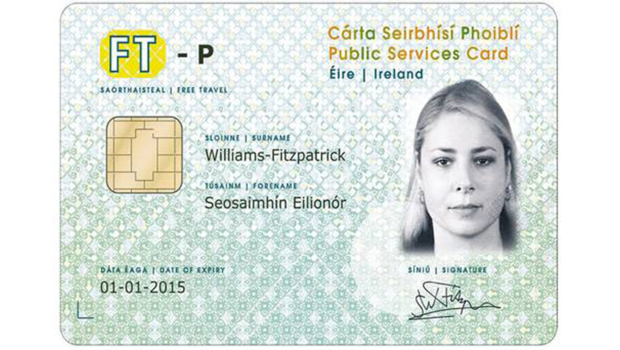
The Data Protection Commission (DPC) has ruled that the collection of facial data for the Public Services Card (PSC) is unlawful. The decision vindicates the actions taken by ICCL and Digital Rights Ireland against the Department of Employment & Social Protection (DEASP).
The Government had previously claimed that the facial records were not biometric data, however the DPC said the Department unlawfully collected facial records (biometric data) from 70% of the population of Ireland over 15 years.
In addition, the Department was accused of failing to tell people why it was collecting their facial records and whether it was legal.

The decision was welcomed by the Irish Council for Civil Liberties, though it criticised the DPC for failing to take “decisive action” by fining the DEASP €550,000 and ordering it to stop processing the biometric data within nine months if it cannot identify a valid lawful basis for doing so.
Executive director of ICCL Joe O’Brien said: “For many years, ICCL and our colleagues at Digital Rights Ireland, have argued that the PSC’s mandatory use of facial recognition technology is unlawful.
“This is a partial win for the privacy and data protection rights of people living in Ireland. It confirms what we have advocated for, for many years – that the Public Services Card, which was estimated to have cost the State €100 million, trespassed upon human rights and infringed EU and Irish law.
“The DPC decision is over a decade late and does not go far enough. The Department effectively created a de facto national biometric ID system by stealth over 15-plus years without a proper legal foundation. This illegal database of millions of Irish people’s biometric data must be deleted.”
Olga Cronin, senior policy officer at ICCL, said: “The Department unlawfully forced vulnerable people to give it their biometric data before it would help them. It demanded data from people who needed its help to put food on the table. We should not have to trade our biometric data to access essential services to which we are already legally entitled”.
The findings followed an earlier decision by the DPC that public sector bodies, other than the DEASP, could not make the PSC a precondition of accessing public services. Alternative means to provide proof of identity must be accepted and those alternatives may be online or offline.
TechCentral Reporters




 Ltd
Ltd