



Inextricable
As a major outsourcing group offering financial and other professional services, Capita has to tread a line in its ICT between absolute solidity and security and constant innovation because it manages client assets and public sector operations in a fiercely competitive and global market. A FTSE 100 company, it has more than 65,000 employees and an Irish payroll that will now double and pass 2,000 through its acquisition of Cork outsourcing company SouthWestern last month. Conor O’Brien combines the CIO role with his position as COO of Capita Asset Services, a dual role he also held in Friends First for some years. “We have long since stopped talking about ‘the business’ as if it were something separate from ICT or about ‘technology projects’ as if they were not mainstream business projects. The business and its operating technologies are just inextricable, as is the role of the CIO in thinking strategically and working on the business planning with other senior colleagues,” O’Brien says. “In the last few years the background meant the emphasis was on cost containment and then in more recent times on catch-up, getting the technology estate up to date and reducing risk. Now, I think, it has shifted in large measure to innovation.”
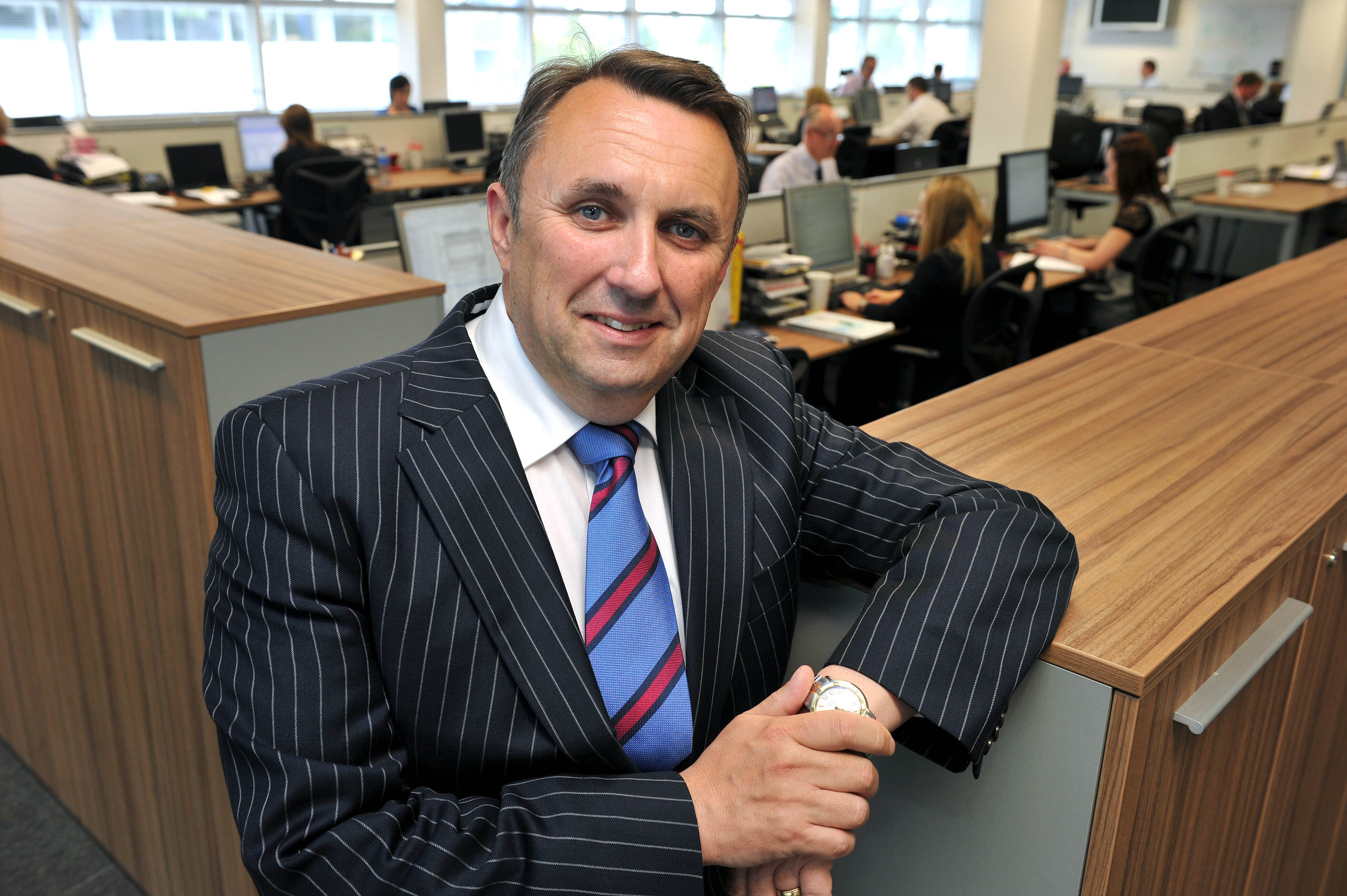
The outcomes the CIO has to deliver are all business-driven, including the more hyped stuff like winning new customers through new channels. So the CIO has to build a value-driven ICT strategy, environment, platform or whatever to deliver on all of that, for the internal clients running functions and lines of business and for the organisation’s customers, John Purdy, Ergo
That is around being able to generate solutions rapidly, at the right cost and in the right time. “That is becoming a huge demand from the business and indeed from our clients as well. If we are not innovative in the solutions we put forward we will not win business. It’s as simple as that. In an outsourcing business like ours it’s about taking data and systems and migrating them to our platforms. Being able to do that quickly, in a low-cost and low-risk way is essential and you can’t do that without a great deal of innovation.” He points out that the clients outsourcing business activity insist on the contract covering the reverse, handing over the activity at end of contract to the client or another outsourcer. Nowadays, O’Brien says, they will often go so far as to specify in the contract how that will be done.
Innovation and flexibility
All of that market context indicates how important innovation and flexibility has become, O’Brien says. “Just about every piece of business we win comes through a comprehensive tender process, with site visits and due diligence inspection and so on. But there is definitely also a ‘value add’ element, over and above the basic services, with other and fresh ideas that we can demonstrate. That’s the innovation bit.”
“There is certainly pressure on the CIO from all of that because you have the demand for innovation, flexibility and speed that can all too often contradict your architectural boundaries. So you have to balance those demands for flexibility with the necessity for a stable environment. That is the essence of the pressure on the CIO.”




Subscribers 0
Fans 0
Followers 0
Followers