

Bitcoin hits record market capitalisation, surpasses Google
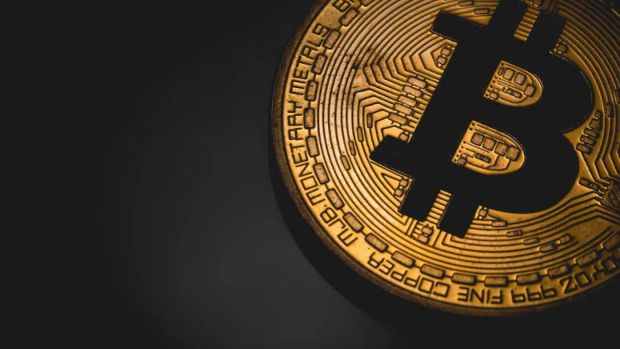
The recent price surge of bitcoin has made it the world’s fifth-largest asset by market capitalisation, overtaking Alphabet Inc, parent company of Google. The milestone marks a significant change in the financial landscape and reflects a year of positive sentiment towards bitcoin, fuelled by favourable regulatory changes under the US government and the growing acceptance of bitcoin as cash by companies.
The price of bitcoin reached an all-time high on Thursday during Asian market opening hours, climbing above $124,000 (€106,070), driven by positive US legislation and rising stock markets. The rally mirrored the uptrend in broader equity markets, particularly the S&P 500, which also hit record highs, highlighting the shared macroeconomic forces influencing both traditional and digital assets.
With a market capitalisation of over $2.456 trillion (€2.1006 trillion), bitcoin now stands above Google, but behind giants like Apple, Microsoft, and Amazon. This success underscores the growing institutional legitimacy of bitcoin and its changing role within global financial markets. Corporate adoption has been a key driver of this growth, as more organisations integrate bitcoin into their cash management strategies, increasing demand and boosting its value.
Expectations of an imminent interest rate cut by the Federal Reserve have also fuelled bitcoin’s momentum. Recent inflation figures were in line with market expectations, reinforcing the belief that the Fed will ease monetary policy in September. Lower borrowing costs are generally favourable for risky assets by improving financial conditions, and bitcoin has benefited from this ‘risk-on’ environment alongside stocks and other speculative assets.
Technical analysts see a price range of $135,000 (€115,480) to $138,000 (€118,045) as the next potential target for bitcoin, following the recent breakout above the $120,000 (€102,604) resistance level. The market reaction suggests that a further move higher is possible, especially if macroeconomic conditions and regulatory clarity persist.
The transition of bitcoin from a niche investment to a legitimate strategic allocation for institutional investors signals a paradigm shift in the financial world, reflecting growing demand and acceptance of digital assets within the broader financial ecosystem.
Beyond bitcoin itself, this milestone signals a reconfiguration of the traditional asset hierarchy. Alternative assets like crypto are gaining a more prominent place alongside stocks, bonds, and real estate, cementing their position as an integral part of modern portfolio construction. As corporate treasuries continue to accumulate bitcoin and regulatory frameworks adapt to digital assets, crypto is poised for further growth in the global financial landscape.
The surge in bitcoin’s value has also been attributed to the influence of major holders, the so-called bitcoin whales, also plays a significant role. Their trading activities can have a major impact on the market due to the substantial amounts of bitcoin they control and move.
While the impressive rise of bitcoin is supported by a number of positive factors, it is crucial to recognise the risks inherent in investing in such a volatile asset. The volatility is greater than that of traditional assets like the S&P 500, underscoring the need for caution and careful consideration before allocating funds to crypto.
Business AM




Subscribers 0
Fans 0
Followers 0
Followers