


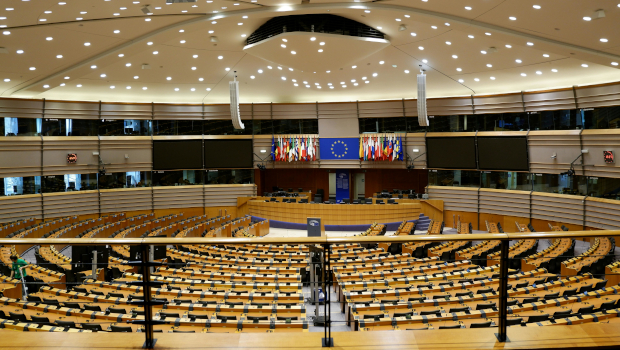
European Parliament replaces Google with Qwant in further move away from American tech giants
In a strategic move to increase digital autonomy, the European Parliament is switching its internal computers from Google to the French-developed search engine Qwant. This shift is part of a broader initiative by EU officials to reduce the continent’s dependence on technology from the United States and to promote greater digital independence.
The switch underscores growing concern in Brussels about the dominance of foreign companies in essential infrastructure, government data and cloud computing. This sentiment has led a cross‑party group of lawmakers to call for the removal of Microsoft 365 in favour of domestic alternatives. These representatives argue that public bodies should prioritise software made in Europe to mitigate strategic risks.
At present, the European cloud sector is heavily dominated by US companies, with Amazon Web Services, Microsoft Azure and Google Cloud accounting for around 70% of the market. Financial data from consultancy Asterès suggests that European entities spend nearly €264 billion a year on these US services.

Concerns about data
Some policymakers, such as Belgian Green MEP Sarah Matthieu, have warned that “localised” versions of US software create a misleading sense of protection.
Matthieu pointed out that US law still allows the American government to access data stored by these companies, regardless of whether the service is labelled as ‘European’. She argued that genuine sovereignty is impossible as long as foreign powers potentially have access to sensitive public infrastructure and information.
These concerns underpin a new digital strategy from the European Commission, which aims to address the fact that more than 80% of the EU’s digital intellectual property, services and infrastructure currently originates from abroad. Drafts of this new policy suggest introducing stricter security and sovereignty standards for cloud services used in sensitive public procurement. Such regulations could potentially exclude major US providers from high‑level contracts if they are unable to meet these stringent requirements.
Although the introduction of Qwant is a small‑scale change, it represents an important ideological shift within the EU. As member states increasingly seek home-grown alternatives to US software, the region is moving towards a future in which digital security is disentangled from Silicon Valley.
Business AM




Subscribers 0
Fans 0
Followers 0
Followers